
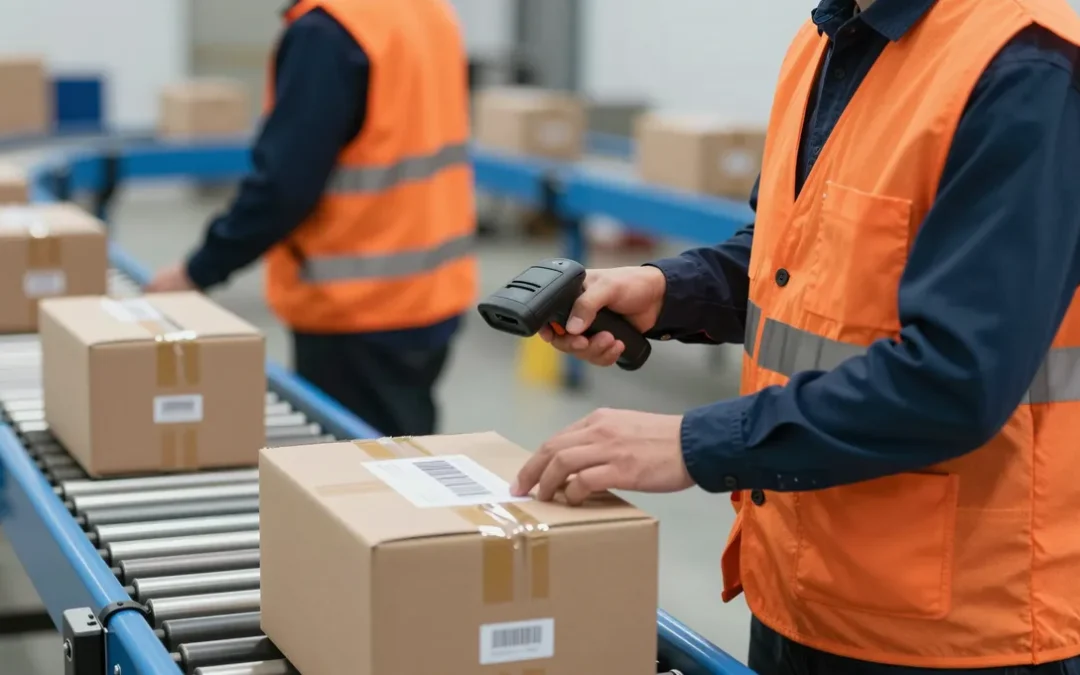
B2B fulfillment ships products to other businesses, such as retailers, distributors and wholesale customers. B2C fulfillment ships orders straight to consumers who bought online. Many growing brands need both: parcels to shoppers from their website and Amazon, and cases or pallets to stores. This guide explains the differences, how a 3PL handles each, and how to run both from one warehouse.
B2B vs B2C fulfillment at a glance
| B2B fulfillment | B2C fulfillment | |
|---|---|---|
| Customer | Retailers, distributors, wholesalers | Individual online shoppers |
| Order size | Large: cases, mixed cartons or full pallets | Small: usually one to a few items |
| Order volume | Fewer orders, more units per order | Many orders, few units per order |
| Shipping | LTL, FTL or pallet delivery; sometimes parcel | Parcel carriers to homes and businesses |
| Requirements | Routing guides, carton and pallet labels, appointments, EDI | Fast shipping, branded packaging, tracking emails |
| Timing | Delivery windows set by the retailer | Same-day or next-day shipping expectations |
| Returns | Fewer, often by pallet or case | More frequent, item by item |
| Typical pricing basis | Per order, per carton, per pallet, EDI order fees | Per order plus per additional item |
How a 3PL handles B2B fulfillment
- Case and pallet picking: picking full cases or full pallets of one SKU, or building mixed pallets
- Retail compliance: following each retailer’s routing guide, with SSCC and carton labels
- Pallet prep: building, wrapping and labelling pallets, and recording dimensions and weight for the bill of lading
- Freight booking: arranging LTL or FTL shipments and delivery appointments
- EDI orders: receiving purchase orders electronically from larger retailers
Read more about B2B distribution and retail compliance shipping in Canada.
How a 3PL handles B2C fulfillment
- Store integrations: orders flow in automatically from Shopify, WooCommerce, Amazon and other channels
- Pick and pack: each order is picked, packed and labelled
- Fast shipping: daily parcel pickups and same-day cut-off times
- Branded packaging and inserts: custom boxes, thank-you cards and samples
- Returns: receiving, inspecting and restocking returned items
Running B2B and B2C from one warehouse
Keeping one stock pool for both channels avoids splitting inventory between warehouses and makes it easier to move stock to whichever channel is selling. To make it work:
- Give the 3PL clear rules for which orders take priority when stock is low
- Agree how cases will be broken down into single units for online orders
- Share retailer routing guides and labelling requirements before the first wholesale order
- Plan peak periods, such as holiday retail and online sales events, in advance
How B2B and B2C fulfillment are priced
Most 3PLs use separate rate structures for each channel. B2C pricing usually combines a per-order pick fee with a smaller fee for each additional item, plus storage by bin, shelf or pallet. B2B pricing is usually per order, per carton or per pallet, with extra fees for EDI orders, pallet preparation and labelling. Storage and receiving are similar for both. See how much a 3PL costs in Canada.
B2B and B2C fulfillment with Newsom 3PL
Newsom 3PL ships both from our warehouse in Mississauga, near Toronto Pearson: e-commerce orders to consumers and case and pallet orders to retailers and distributors, from one stock pool. We have separate B2C and B2B rate cards, so you only pay for the services each channel uses. Request a quote and we will send you an estimate based on your volume.
Frequently asked questions
What is the difference between B2B and B2C fulfillment?
B2B fulfillment ships larger orders, usually cases or pallets, to businesses such as retailers. B2C fulfillment ships smaller orders directly to consumers, usually by parcel.
Can one 3PL handle both B2B and B2C orders?
Yes. Many 3PLs, including Newsom 3PL, fulfill online orders and wholesale or retail orders from the same inventory.
Is B2B fulfillment cheaper than B2C?
Per unit it is often cheaper, because each order contains more units. Retail compliance, pallet prep and freight add costs, so the total depends on your order profile.
What do retailers require from a 3PL?
Retailers usually require compliance with their routing guide: correct carton and pallet labels, delivery appointments, advance ship notices and sometimes EDI.