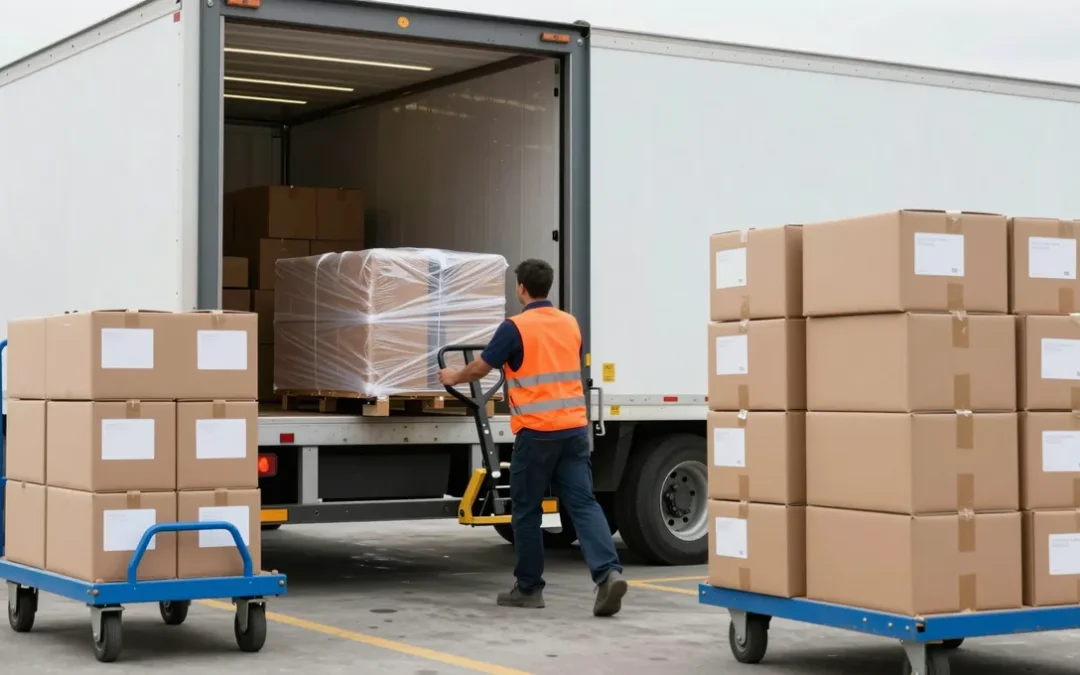
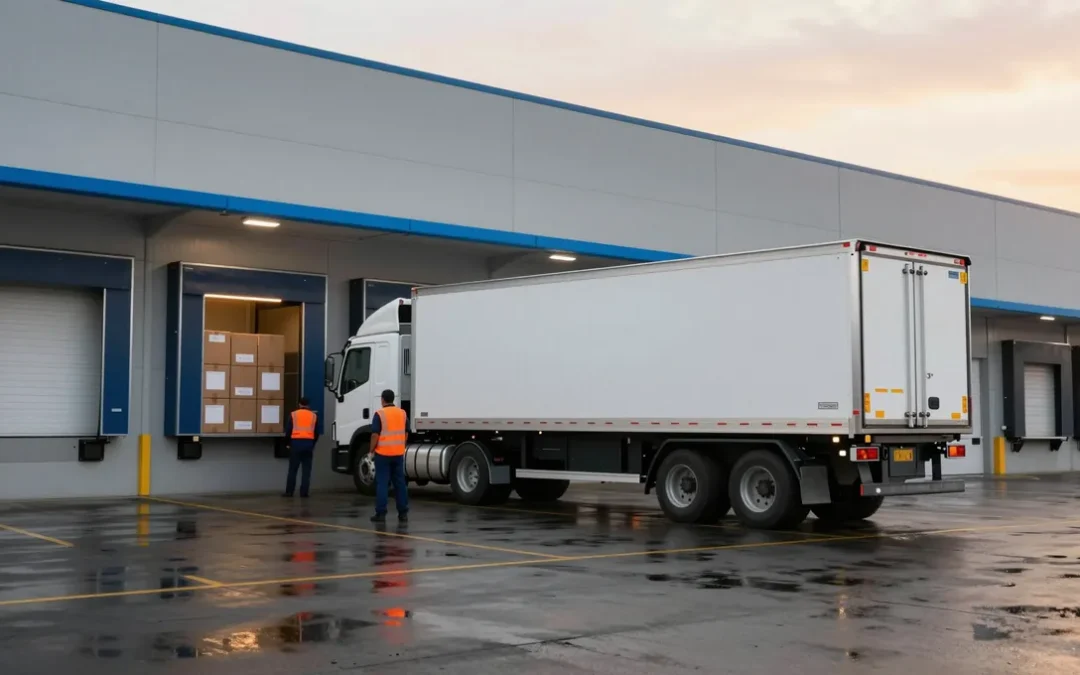
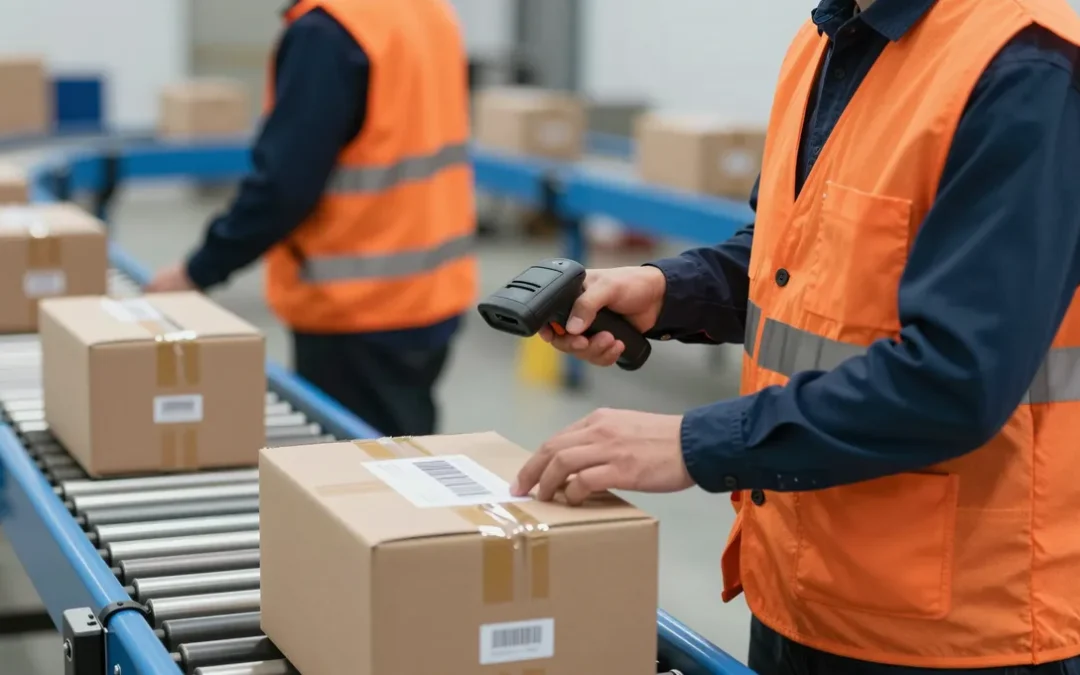
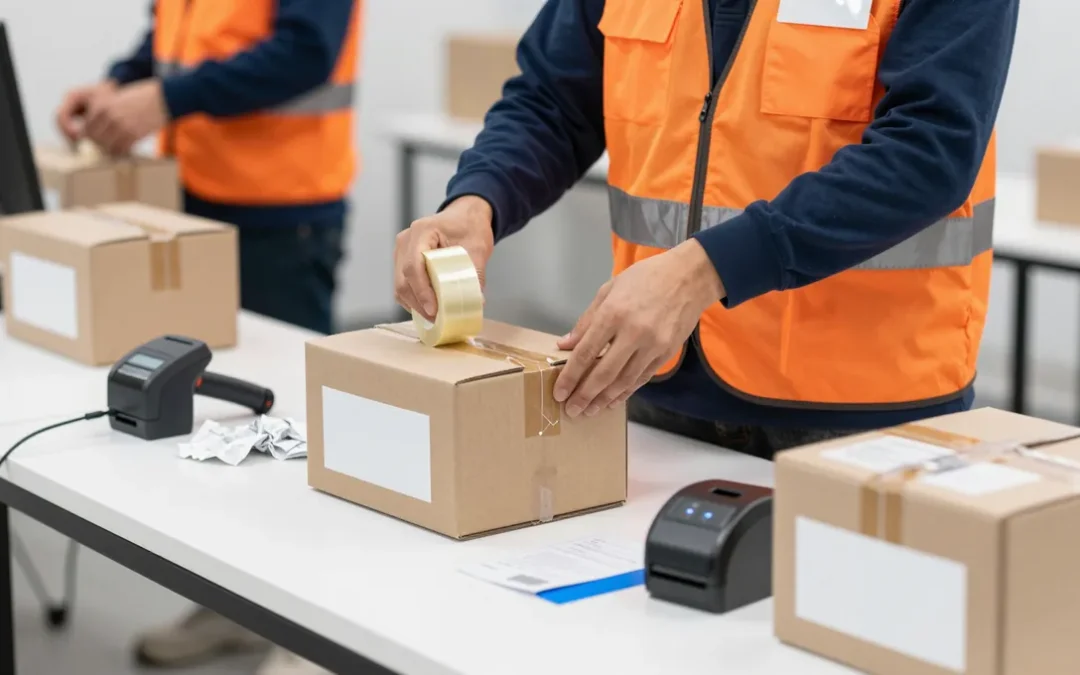
Not every shipment needs to be stored. Sometimes the fastest and cheapest option is to move goods straight from the truck that brought them to the truck that takes them onward. That is called cross-docking. This guide explains what cross-docking is, how it works, its...
If you import products by sea, one of the first choices is whether to ship a full container (FCL) or share one (LCL). The right choice depends on how much you ship, how fast you need it and your budget. This guide explains FCL vs LCL shipping for importers bringing...
The holiday season is when most online stores make a big share of their year. It is also when warehouses, carriers and customer service are under the most pressure. This holiday peak season fulfillment checklist helps Canadian e-commerce brands plan stock, shipping...
Getting a product into a big retailer is a big win. Shipping to that retailer is a different job from shipping to online customers. Retailers have strict rules for labels, cartons, pallets and delivery, and they charge suppliers who get it wrong. This guide explains...
If you sell bundles, gift sets, subscription boxes or starter kits, someone has to put those products together before they ship. That work is called kitting. This guide explains what kitting is, how it differs from bundling and assembly, what it costs and when it...
Returns are part of selling online. Customers expect an easy way to send things back, and every return costs you shipping, handling and sometimes the product itself. This guide explains how e-commerce returns management works in Canada, what a good returns process...