Dropshipping and using a 3PL are two of the most common ways to sell online without packing every order yourself. They work very differently, and the right choice depends on your margins, your brand and how much control you want. This guide compares dropshipping vs 3PL fulfillment so you can decide which fits your business, or when to move from one to the other.
What is dropshipping?
With dropshipping, you sell a product online and your supplier ships it straight to the customer. You never hold the stock. You pay the supplier only when an order comes in, and they handle packing and shipping.
What is 3PL fulfillment?
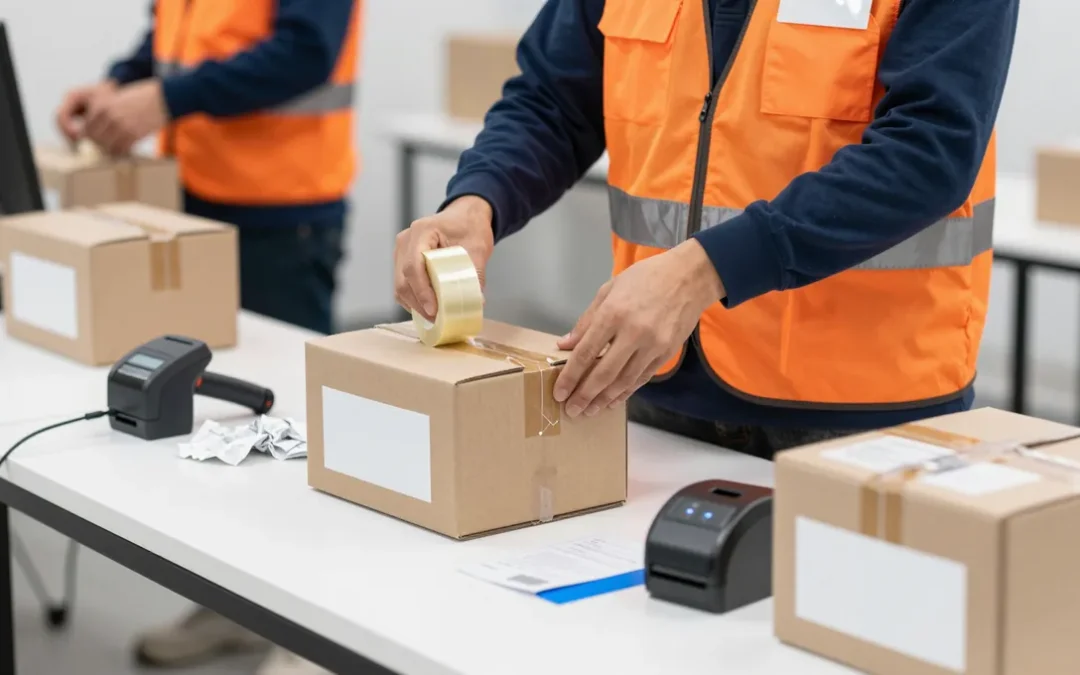
With a 3PL (third-party logistics provider), you buy your inventory and send it to the 3PL’s warehouse. When a customer orders, the 3PL picks, packs and ships the order for you. You own the stock and decide how it is packed and shipped.
Dropshipping vs 3PL at a glance
| Dropshipping | 3PL fulfillment | |
|---|---|---|
| Inventory | You hold none | You buy stock and store it at the 3PL |
| Upfront cost | Very low | Higher: inventory plus storage |
| Profit per order | Usually lower | Usually higher, because you buy in bulk |
| Shipping speed | Depends on the supplier, often slow if overseas | Fast, from a warehouse near your customers |
| Branding and packaging | Limited control | Your own boxes, inserts and kits |
| Quality control | Hard to check | Stock is checked when it arrives |
| Returns | Often messy | Handled by the 3PL to your rules |
| Best for | Testing products and ideas | Growing brands with proven products |
Pros and cons of dropshipping
- Pros: low startup cost, no stock risk, easy to test many products.
- Cons: lower margins, slower and less predictable delivery, little control over packaging and quality, and harder to build a brand customers come back to.
Pros and cons of 3PL fulfillment
- Pros: better margins, fast delivery, your own branded packaging, quality checks, smoother returns, and the option to sell on several channels from one stock.
- Cons: you need cash for inventory, you pay for storage, and you carry the risk if stock does not sell.
When to move from dropshipping to a 3PL
- You have products that sell steadily every week.
- Customers are complaining about slow delivery or damaged items.
- You want custom packaging, inserts or bundles.
- You are selling on Amazon or Walmart and need to send in prepped inventory.
- Supplier mistakes are costing you reviews and refunds.
Many brands use both: they keep best sellers at a 3PL for fast shipping and dropship slower or test products.
Selling in Canada
Canadian shoppers expect fast delivery, and orders shipped from overseas can mean long waits and duty surprises at the door. Storing stock in Canada with a 3PL lets you ship quickly to customers across the country and the GTA. If you also sell to US customers, see shipping from Canada to the US.
3PL fulfillment in Mississauga
Newsom 3PL stores your inventory at our Mississauga warehouse near Toronto Pearson and picks, packs and ships every order through our e-commerce fulfillment service. Orders flow in automatically from Shopify, Amazon, WooCommerce and other platforms through our integrations, and we can build kits and custom packaging. Moving from dropshipping? See how much a 3PL costs in Canada or request a quote.
Frequently asked questions
Is dropshipping or a 3PL cheaper?
Dropshipping is cheaper to start because you do not buy stock. A 3PL usually gives you a better profit per order once you sell steadily, because you buy inventory in bulk.
Can I use a 3PL and dropship at the same time?
Yes. Many brands keep their best sellers at a 3PL for fast delivery and dropship slower or test products.
Do I need a minimum order volume to use a 3PL?
It depends on the provider. Ask about minimums before you sign. Many 3PLs work with growing brands, not just large ones.
How fast can a 3PL ship my orders?
Most 3PLs ship orders received before a daily cut-off the same or next business day. Delivery time then depends on the carrier and destination.